
Saltwater vs chlorine pools is a topic that sparks lively debates among homeowners and pool enthusiasts alike. Both types offer unique benefits and challenges, making the decision a pivotal one for anyone considering a pool installation. This overview will guide you through the key differences, health considerations, costs, and maintenance requirements of each pool type.
As we dive into the specifics, you’ll discover what makes each option popular and how they cater to different lifestyles and preferences. From health impacts to environmental effects, this discussion aims to equip you with the knowledge needed to make an informed choice.
Introduction to Pool Types
When it comes to choosing a swimming pool, homeowners often face the dilemma of selecting between saltwater and chlorine pools. Both types have their unique characteristics, benefits, and maintenance requirements, making them appealing for different reasons. Saltwater pools utilize a salt-chlorine generator to produce chlorine through the electrolysis process, while chlorine pools rely on direct chlorine chemical additions to maintain water quality.
This fundamental difference influences their popularity among homeowners, with saltwater pools gaining traction due to their perceived ease of maintenance and softer water feel. However, traditional chlorine pools remain a widely accepted choice, especially for those familiar with their upkeep.In terms of maintenance, saltwater pools generally require less frequent chemical additions, as the salt system continuously generates chlorine. On the other hand, chlorine pools demand regular chemical checks and manual additions, which can be more labor-intensive.
Both pool types require regular cleaning and monitoring of pH levels to ensure a safe swimming environment.
Health and Safety Considerations
The health implications of pool types should also be taken into account. Chlorine pools can irritate the skin and eyes, especially for sensitive individuals. The strong smell of chlorine can be overwhelming, often causing discomfort. In contrast, saltwater pools are known for being gentler on the skin and eyes, reducing the likelihood of irritation. However, while saltwater pools are milder, they still require the generation of chlorine, which could pose similar risks if not managed properly.Health benefits associated with saltwater pools include lower levels of chloramines, which are typically responsible for the unpleasant odor and irritation found in chlorine pools.
Nevertheless, individuals with allergies or sensitivities to chlorine might still react to residual chlorine in saltwater setups. On the flip side, some chlorine pool users appreciate the strong disinfecting properties of chlorine, ensuring that bacteria and algae are effectively kept at bay.
Cost Analysis
Understanding the financial aspects of pool ownership is crucial for prospective buyers. The initial installation costs of saltwater pools are typically higher due to the installation of a salt-chlorine generator. However, chlorine pools can be more budget-friendly to install, provided you are comfortable with the ongoing maintenance costs. Over time, saltwater pools can lead to substantial savings on chemical treatments, as the salt itself is relatively inexpensive compared to the constant purchase of chlorine tablets or liquids required for chlorine pools.Long-term maintenance costs can vary significantly.
Saltwater pools may require occasional cell replacements and more expensive equipment repairs, but they often save money on chemicals in the long run. Conversely, chlorine pools incur ongoing expenses from chemical purchases and potential additional equipment costs. Homeowners should evaluate their budgets and lifestyle needs when considering these factors.
Environmental Impact
The environmental implications of pool choices are becoming increasingly relevant as more homeowners prioritize sustainability. Chlorine pools can contribute to environmental issues, including chemical runoff that may affect local waterways. In contrast, saltwater pools use natural salt, which is less harmful to the environment. However, it’s essential to note that both types still consume water and require proper drainage practices to minimize ecological impact.Water usage and conservation practices also differ between the two.
Saltwater pools typically require less frequent water changes than chlorine pools, making them a more water-efficient option. For eco-conscious homeowners, considering sustainable practices in pool maintenance—such as using solar heating systems and energy-efficient pumps—is essential for reducing their overall environmental footprint.
Home Improvement and Pool Installation
Integrating a pool into home improvement plans requires careful consideration of various factors. The type of pool can significantly impact not only the overall design but also the value of the home. Saltwater pools are often perceived as a luxury feature, potentially enhancing property value and attractiveness to prospective buyers. On the other hand, chlorine pools offer familiarity and practicality that some homeowners prefer.When selecting materials and appliances to complement the pool type, it’s vital to ensure compatibility.
For instance, opting for salt-resistant materials for saltwater pools can prolong the lifespan of features such as lighting and ladders. Ultimately, homeowners should consider design elements, landscape integration, and the aesthetic appeal that aligns with their vision.
Maintenance and Cleaning Tips
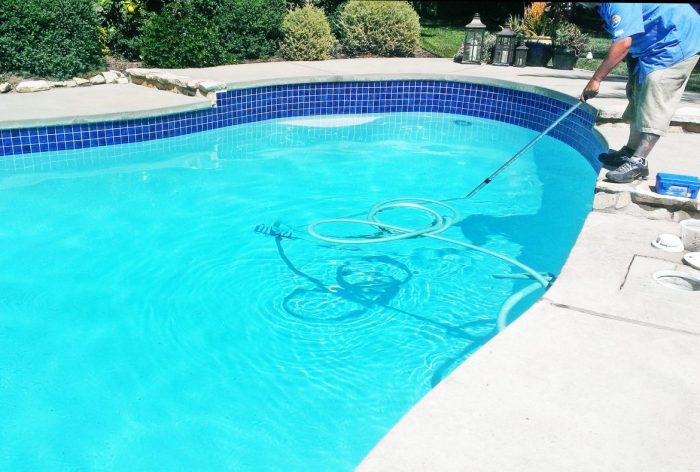
Maintaining a saltwater pool involves specific procedures to ensure optimal performance. Regularly checking and balancing pH levels is crucial, as well as monitoring the salt concentration. Cleaning the salt cell periodically will help maintain efficient chlorine production. Additionally, using a pool cover can minimize debris and reduce cleaning frequency.Chlorine pools require routine cleaning and chemical balancing, with a focus on the following steps:
- Regularly test the water for pH, chlorine levels, and alkalinity.
- Skim the surface for debris and vacuum the pool floor weekly.
- Shock the pool regularly to maintain water clarity and hygiene.
- Inspect and clean filters routinely to ensure proper circulation.
Seasonal maintenance varies with the two types, as saltwater pools may need fewer adjustments in warmer months due to stable salt levels compared to chlorine pools that may require more frequent chemical balancing.
Pool Accessories and Enhancements
Enhancing both saltwater and chlorine pools can elevate the overall swimming experience. Accessories such as pool covers, skimmers, and automatic cleaners are beneficial for both types. Popular features that can enhance a pool’s functionality include:
- Lighting options like LED lights for night swimming.
- Heating systems for extended swimming seasons.
- Safety equipment such as pool alarms and covers.
Choosing the right furniture and decor for poolside areas involves considering materials that withstand moisture and chlorine or salt exposure, ensuring durability and style in your outdoor space.
Design and Aesthetics
Design elements that complement pool types can significantly enhance their appeal. For saltwater pools, natural stone features and soft landscaping can create a serene atmosphere. Conversely, chlorine pools can benefit from vibrant colors and bold designs that reflect a lively swimming environment. Landscaping tips may include incorporating plants that thrive in the pool’s specific environment, such as native species that require less water.
Patio deck options should also be considered, from textured tiles for a modern touch to wooden decking that provides a classic look. Interior design ideas for spaces connected to pool views can incorporate large windows or sliding doors that seamlessly blend indoor and outdoor living.
Final Wrap-Up
In conclusion, whether you lean towards saltwater or chlorine pools, each option has its own set of advantages and considerations. It’s essential to weigh your priorities, from health impacts to maintenance ease and costs. Ultimately, the right choice will align with your lifestyle and enhance your outdoor experience.
Query Resolution
Are saltwater pools cheaper to maintain than chlorine pools?
Saltwater pools typically have lower long-term maintenance costs due to less frequent chemical purchases, but the initial installation may be higher.
Do saltwater pools eliminate the need for chlorine?
No, saltwater pools generate chlorine through a salt cell, but they generally have lower chlorine levels and offer a more gentle swimming experience.
Which pool type is better for sensitive skin?
Saltwater pools are often considered better for sensitive skin as they contain less chlorine, reducing irritation for swimmers.
How does the aesthetic appeal differ between the two pool types?
Both pool types can be visually appealing, but saltwater pools often have a softer, clearer appearance due to the lower chlorine levels.
Can I convert my chlorine pool to a saltwater system?
Yes, it is possible to convert a chlorine pool to a saltwater system by installing a salt chlorinator and making adjustments to the pool’s chemistry.


