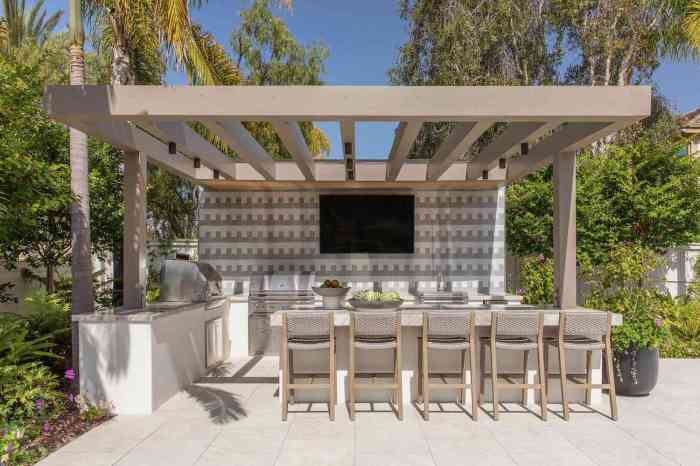
Outdoor concrete kitchen builds are becoming increasingly popular for those looking to elevate their backyard experience. Imagine cooking your favorite meals while surrounded by nature, all within a beautifully designed space that blends functionality with aesthetics. These kitchens not only enhance your culinary adventures but also serve as a perfect gathering spot for family and friends.
In this guide, we will explore the essential elements of outdoor concrete kitchens, including their benefits, design considerations, and tips on planning and execution. From choosing the right materials to selecting energy-efficient appliances, you’ll find everything you need to create an inviting and durable outdoor kitchen.
Understanding Outdoor Concrete Kitchens
Outdoor concrete kitchens are an exciting trend that combines functionality with aesthetics, allowing homeowners to take their culinary skills outside. These spaces can serve as a hub for gatherings, barbecues, and relaxing evenings under the stars. Using concrete as the primary building material enhances durability and provides a modern, sleek look to outdoor areas.The benefits of using concrete for outdoor kitchen builds are numerous.
Concrete is resistant to the elements, can withstand high temperatures, and requires minimal maintenance. Additionally, it can be molded into various shapes and finishes, giving homeowners the flexibility to design a unique kitchen that fits their style.Design elements that enhance outdoor concrete kitchens include countertops, built-in grills, and seating areas. Incorporating features like outdoor lighting, fire pits, and landscaping can create a seamless flow from the indoor to outdoor spaces, making it an inviting area for entertaining guests.
Planning Your Outdoor Kitchen Build
Planning a successful outdoor kitchen project involves several steps that ensure the space meets your needs and preferences. Start by assessing your outdoor area, making note of the available space, existing structures, and any natural features you wish to incorporate.Essential factors to consider when designing an outdoor kitchen layout include:
- Location: Choose a spot that is accessible from your home and has a good flow for cooking and entertaining.
- Size: Ensure the kitchen is proportionate to your outdoor space and can accommodate the desired appliances and seating.
- Functionality: Plan for essential cooking zones such as the grill, preparation area, and serving space.
Budgeting for outdoor concrete kitchen builds requires attention to detail. Consider the costs of materials, appliances, labor, and any additional features you want to include. It’s also wise to set aside a contingency fund for unexpected expenses that may arise during the construction process.
Choosing Home Improvement Appliances for Outdoor Kitchens
Selecting the right appliances for outdoor concrete kitchens is crucial for optimal cooking and entertaining experiences. Suitable appliances include built-in grills, refrigerators, and outdoor sinks. These items are designed to withstand outdoor conditions while providing the functionality you need.When choosing appliances, consider energy-efficient options that reduce your environmental footprint. Many brands now offer outdoor models that not only perform well but also consume less energy than traditional appliances.Comparing indoor versus outdoor appliance requirements is essential.
Outdoor appliances need to be more durable, moisture-resistant, and capable of operating in a wider range of temperatures. Understanding these differences will help you select the best options for your outdoor kitchen.
Selecting Concrete Materials and Finishes
The best types of concrete for outdoor kitchens include reinforced concrete, which adds strength and durability, and decorative concrete, which can enhance the visual appeal. Using high-quality materials is vital to ensure longevity and resistance to the elements.Different finishing options for concrete surfaces include polished, stamped, or stained finishes. Each option offers unique aesthetic qualities, allowing you to customize your outdoor kitchen to suit your style.
Weather resistance in concrete materials is important to prevent cracking and other damage over time. Opt for concrete mixtures that are designed for outdoor use, as they will typically include additives that enhance their resistance to moisture and temperature fluctuations.
Bath and Shower Design Considerations for Outdoor Areas
Integrating outdoor showers can significantly complement outdoor kitchens, providing a convenient way to rinse off after cooking or swimming. This feature enhances the functionality of your outdoor space while adding a luxurious touch.Incorporating bath features into outdoor settings can create a relaxing atmosphere. For example, including a small soaking tub or a decorative fountain can enhance your outdoor kitchen’s ambiance.Creating a cohesive outdoor experience with kitchens can be achieved by using similar materials and design elements throughout the spaces.
This might involve matching the concrete finishes of the kitchen with the materials used for the shower or bath areas, ensuring a harmonious look.
Feng Shui Principles in Outdoor Kitchen Design
Incorporating Feng Shui principles into outdoor kitchen layouts can enhance the energy flow in your space. Positioning the kitchen in a way that allows for unobstructed movement and easy access can create a sense of peace and harmony.The importance of energy flow around outdoor cooking areas cannot be understated. Ensuring there is enough space around cooking zones allows for better circulation and a more enjoyable cooking experience.Examples of design adjustments that enhance harmony in outdoor spaces include using plants to create a natural barrier around cooking areas, positioning seating areas to encourage conversation, and utilizing lighting to create inviting pathways.
Flooring Options for Outdoor Kitchens
Choosing suitable flooring materials for outdoor kitchens is essential for durability and aesthetics. Options like stone, tile, and concrete are popular choices due to their resistance to moisture and wear.Maintenance considerations for outdoor kitchen flooring should not be overlooked. Some materials may require sealing or regular cleaning to maintain their appearance and durability over time. Be sure to factor this into your planning.Comparing the pros and cons of various outdoor flooring options can help you make an informed decision.
Stone provides a natural look, while tiles can offer a wide range of colors and patterns. Concrete is versatile but may require more maintenance if not properly sealed.
Furniture Selection for Outdoor Dining and Cooking
Selecting outdoor furniture styles that complement concrete kitchens is important for overall aesthetics. Materials like aluminum, teak, or weather-resistant synthetic fibers are ideal choices as they can withstand outdoor elements without deteriorating.Durability and weather resistance of outdoor furniture materials are crucial. Investing in high-quality furniture will ensure it lasts through various seasons, reducing the need for replacements.Arranging furniture around outdoor cooking spaces should be done with functionality in mind.
Ensure there is enough space for movement and that seating areas are positioned to encourage interaction among guests.
Green Living Practices in Outdoor Kitchen Builds
Sustainable materials and practices for outdoor kitchen construction can significantly reduce your environmental impact. Consider using reclaimed materials, eco-friendly finishes, and energy-efficient appliances during your build.Incorporating a garden with outdoor kitchens not only enhances the beauty of the space but can also provide fresh herbs and vegetables for cooking, promoting a farm-to-table lifestyle.Minimizing environmental impact during construction involves careful planning and execution.
Use local materials when possible, limit waste, and consider energy-efficient designs that reduce long-term resource consumption.
Essential Tools and Equipment for Building Outdoor Kitchens
Tools required for constructing outdoor concrete kitchens include mixing equipment, trowels, levelers, and safety gear. Having the right tools on hand will streamline the building process and ensure the final product meets your expectations.Safety gear necessary when working with concrete includes gloves, masks, and protective eyewear. Ensuring you have proper safety equipment will prevent injuries and promote a safe working environment.Advanced equipment options for professional builds may include concrete saws, mixers, and forms, which can help achieve more complex designs and finishes.
Investing in quality tools can significantly enhance the efficiency of your outdoor kitchen construction.
Home Improvement Remodeling Ideas
Integrating an outdoor kitchen into an existing backyard can elevate your outdoor living space. Consider how the kitchen will interact with other features like patios, gardens, or pools to create a balanced environment.Examples of remodeling projects that include outdoor kitchens can inspire your design. Many homeowners have transformed underutilized areas into vibrant outdoor kitchens by adding concrete features, seating, and cooking appliances.Maximizing space when remodeling for outdoor kitchens involves creative design solutions.
Consider multi-functional furniture, built-in storage, and efficient layout planning to make the most of your outdoor area.
Safety and Security Features for Outdoor Kitchens
Identifying security measures for protecting outdoor kitchen appliances is essential. This could involve installing locks on cabinets, using weather-resistant covers, and ensuring that electrical connections are secure.Fire safety considerations in outdoor cooking areas include maintaining a safe distance between cooking appliances and combustible materials, as well as having fire extinguishing equipment readily available.Maintaining safety during outdoor gatherings is vital. Ensure that pathways are clear, lighting is adequate, and that guests are aware of any potential hazards in the cooking area.
Storage Solutions for Outdoor Kitchen Accessories
Storage options for utensils and cooking supplies in outdoor kitchens can enhance functionality. Consider incorporating cabinetry that can withstand the elements while providing ample space for organizing tools and equipment.Ideas for cabinetry that match outdoor aesthetics include using weather-resistant wood or composite materials that blend harmoniously with the concrete kitchen elements. The importance of organized storage for functionality in outdoor areas cannot be overstated.
An organized space allows for efficient cooking and entertaining, ensuring that everything is easily accessible when needed.
Landscaping Around Outdoor Concrete Kitchens
Landscaping ideas that complement outdoor kitchen builds can greatly enhance the visual appeal of your space. Incorporating plants, pathways, and decorative stones can create a beautiful backdrop for cooking and dining areas.Creating privacy around outdoor cooking spaces can be achieved with strategic planting, garden walls, or decorative screens. This not only enhances comfort but also adds to the overall design aesthetic.Integrating lighting and plants with outdoor kitchens can elevate the ambiance of your space.
Use soft lighting to highlight pathways and cooking areas while incorporating greenery to create a lively and inviting atmosphere.
Swimming Pools and Spas Connection to Outdoor Kitchens
Designing a cohesive space between pools and outdoor kitchens involves considering layout and materials. Choose finishes that harmonize with both areas to create a seamless transition.The benefits of integrating spa features with outdoor cooking areas include enhanced relaxation opportunities and the aesthetic appeal of water elements. This can transform your outdoor space into a luxurious retreat.Ideas for outdoor entertaining spaces that include both pools and kitchens can maximize your enjoyment.
Consider creating an open area with seating that connects the kitchen and pool, encouraging social interaction and leisurely entertaining.
Innovative Designs for Outdoor Concrete Kitchens
Creative design ideas that enhance the functionality of outdoor kitchens include incorporating smart technology for cooking and entertaining, such as built-in speakers or smart grills that can be controlled via smartphone apps.Discussing trends in outdoor kitchen design reveals a shift towards sustainability, integrating natural materials, and creating seamless indoor-outdoor transitions that appeal to modern homeowners.Examples of unique layouts and features in outdoor kitchens can inspire your own project.
Consider adding elements like retractable awnings, outdoor pizza ovens, or customized bar areas that provide both functionality and style.
Conclusion
In conclusion, outdoor concrete kitchen builds offer an exciting opportunity to enhance your outdoor living space while combining style and functionality. With the right planning and design, you can create a stunning area that not only meets your cooking needs but also complements your backyard aesthetic. So, gather your ideas and get ready to transform your outdoor area into a culinary haven!
Detailed FAQs
What are the benefits of using concrete for outdoor kitchens?
Concrete is durable, weather-resistant, and customizable, making it ideal for outdoor kitchens.
How do I maintain my outdoor concrete kitchen?
Regular cleaning and sealing can help maintain the appearance and longevity of your concrete surfaces.
Can I install appliances in my outdoor concrete kitchen?
Yes, there are many outdoor-rated appliances available that can be installed in your concrete kitchen.
What flooring options are best for outdoor kitchens?
Consider materials like tile, stone, or concrete that are durable and easy to clean.
How can I ensure my outdoor kitchen is environmentally friendly?
Use sustainable materials, energy-efficient appliances, and incorporate a garden into your design.


